Gallery


We don’t have any reviews for Naked Hollywood 11: Wedding Bell Blues.
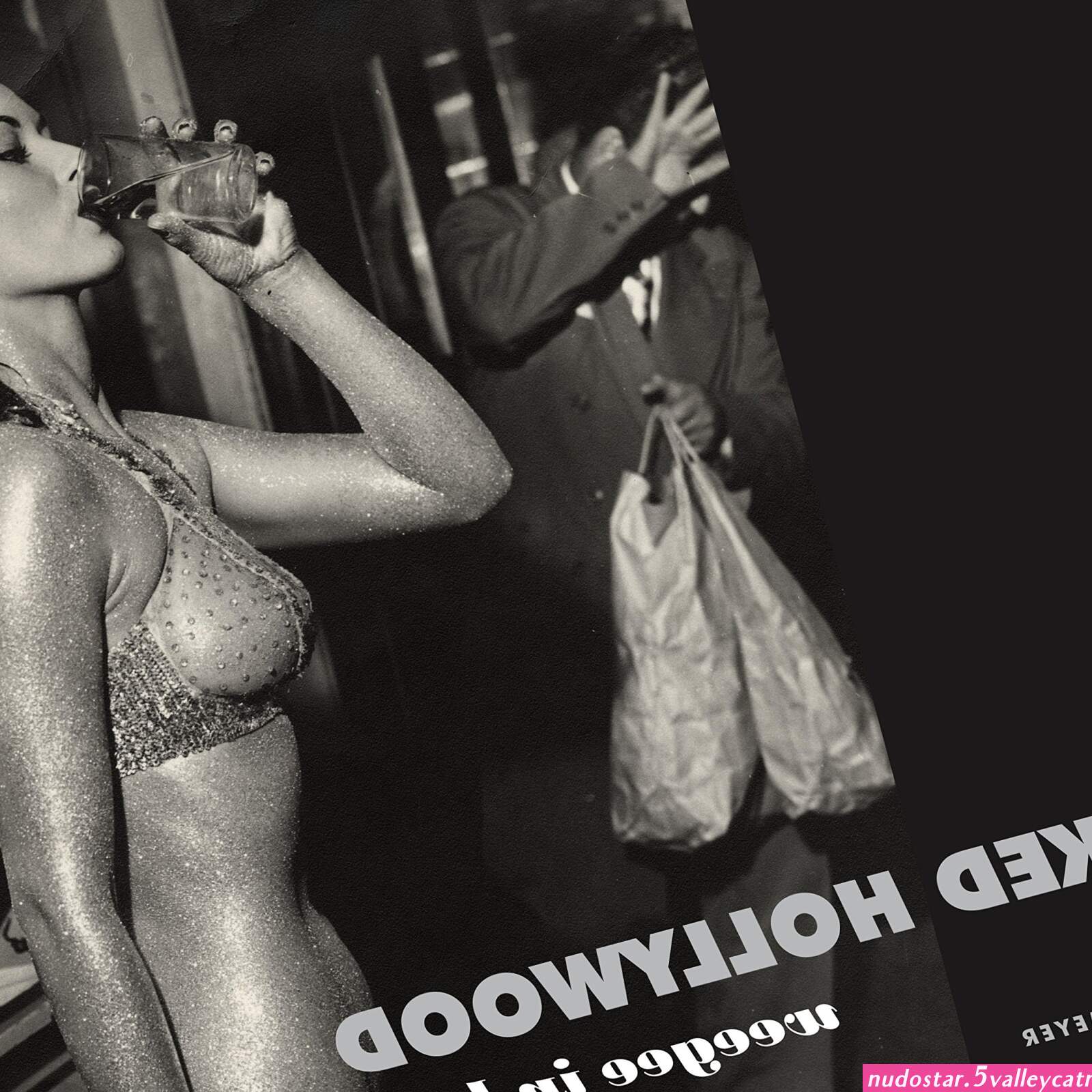
“Pacific Standard Time,” the sprawling multivenue consideration of Los Angeles art from 1945 to 1980, is, for the most part, a story of artists who thrived here. However, “Naked Hollywood: Weegee in Los Angeles,” which opened Nov. 13 at MOCA Grand Avenue, posits a different narrative, recounting the famed New York photographer’s sojourn in Los Angeles between 1947 and 1952 as a somewhat soured love affair. If Hollywood is indeed a boulevard of broken dreams, then the Weegee show is our tour guide.
As, Richard Meyer, an associate professor of art at USC and the exhibition’s curator, recalled, MOCA director Jeffrey Deitch’s first suggestion to him for the region-wide initiative “Pacific Standard Time: Art in L.A. 1945-1980” was to organize a photo show of “anything but high art” images – street photography, advertising, publicity. Meyer worried that that mandate was impossibly broad, so, instead, remembering that Weegee had produced a book, “Naked Hollywood,” he suggested they look at the Weegee archive at New York’s International Center for Photography. The book showcases 150 images, but they found more than 1,000 in the archives, some never published. Meyer saw a story in the images, and Deitch quickly agreed to the show.
“Basically, once I said the title, ‘Naked Hollywood,’ I had him,” Meyer said.
Weegee’s arrival in Hollywood, by his own account, was feted by Gene Kelly and acclaimed by Charlie Chaplin. But the first indication that Weegee’s ambitions might not be realized came when the movie adaptation of his book appeared, titled “Mark Hellinger’s ‘Naked City,’ ” with no marquee or title credit for the photographer. Weegee spent the next four years in Los Angeles photographing premieres, stars and starlets, strippers and showgirls, mannequins and masks, as well as acting in films (he joined the Screen Actors Guild), consulting on movies, making short films and, as always, relentlessly promoting himself. He inserted himself into photos and developed experimental images, shot with distorting plastic lenses and with images repeated or inserted for special effect, to give voice to his increasingly sour view of Hollywood.
Related:
 Naked women cum (photos)
 Brandy billy nude tgp (photos)
 Led stepporn pussy (photos)
 Porn la (photos)
 Young one threesome (photos)
 Lisa bamberger nude (photos)
 Ada paradiso porn (photos)
 Biggmilker nude leaked (photos)
 Val fucks the computer guy (photos)
 Blond fucks (photos)
 Jenna starr riding 351 (photos)
 Bbw riding big cock (photos)
 Megan mankin money pussy leak (photos)
 Porn goes (photos)
 Anna naked sara naked julia naked (photos)
 Lesbian hairy facesitting (photos)

