Gallery

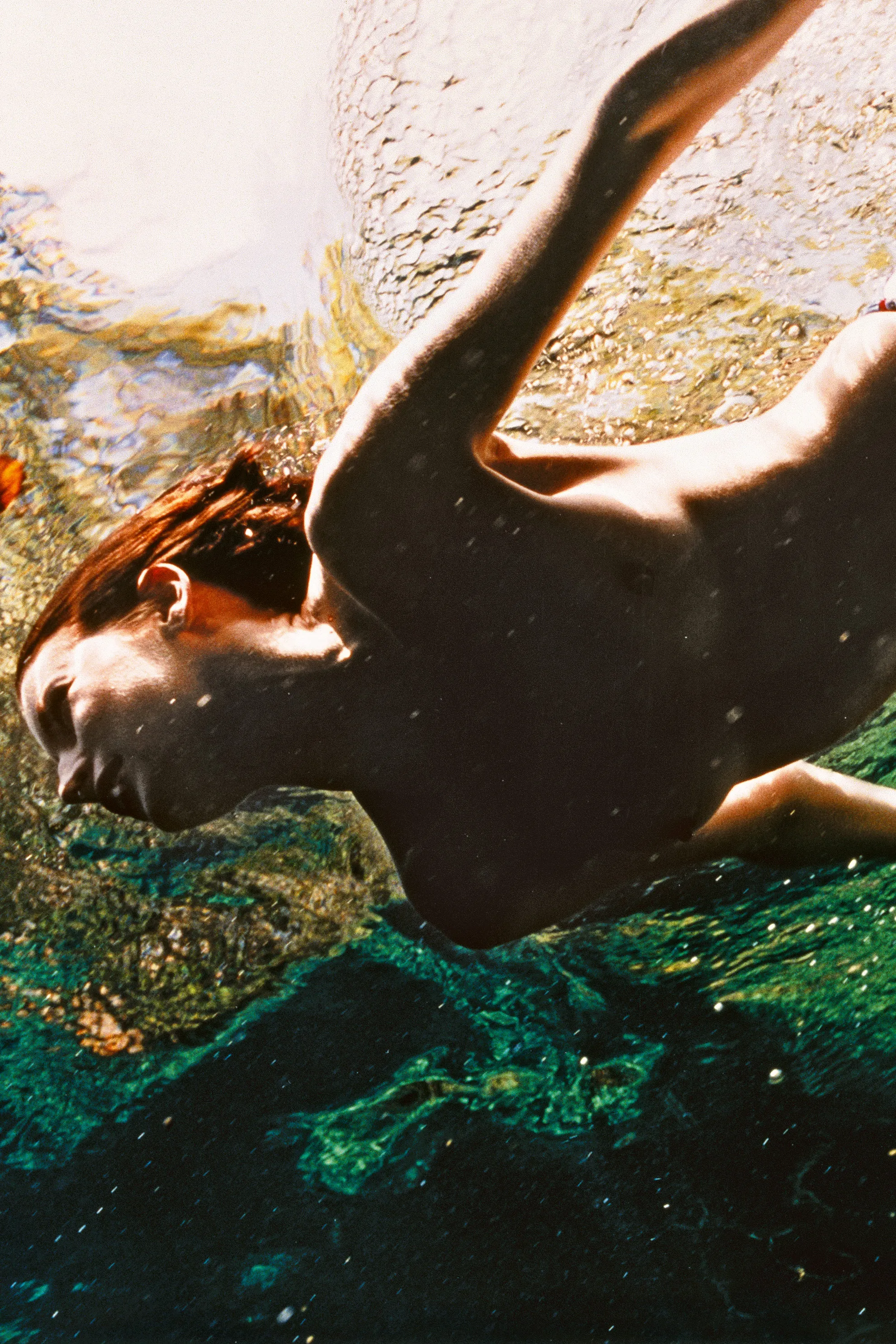

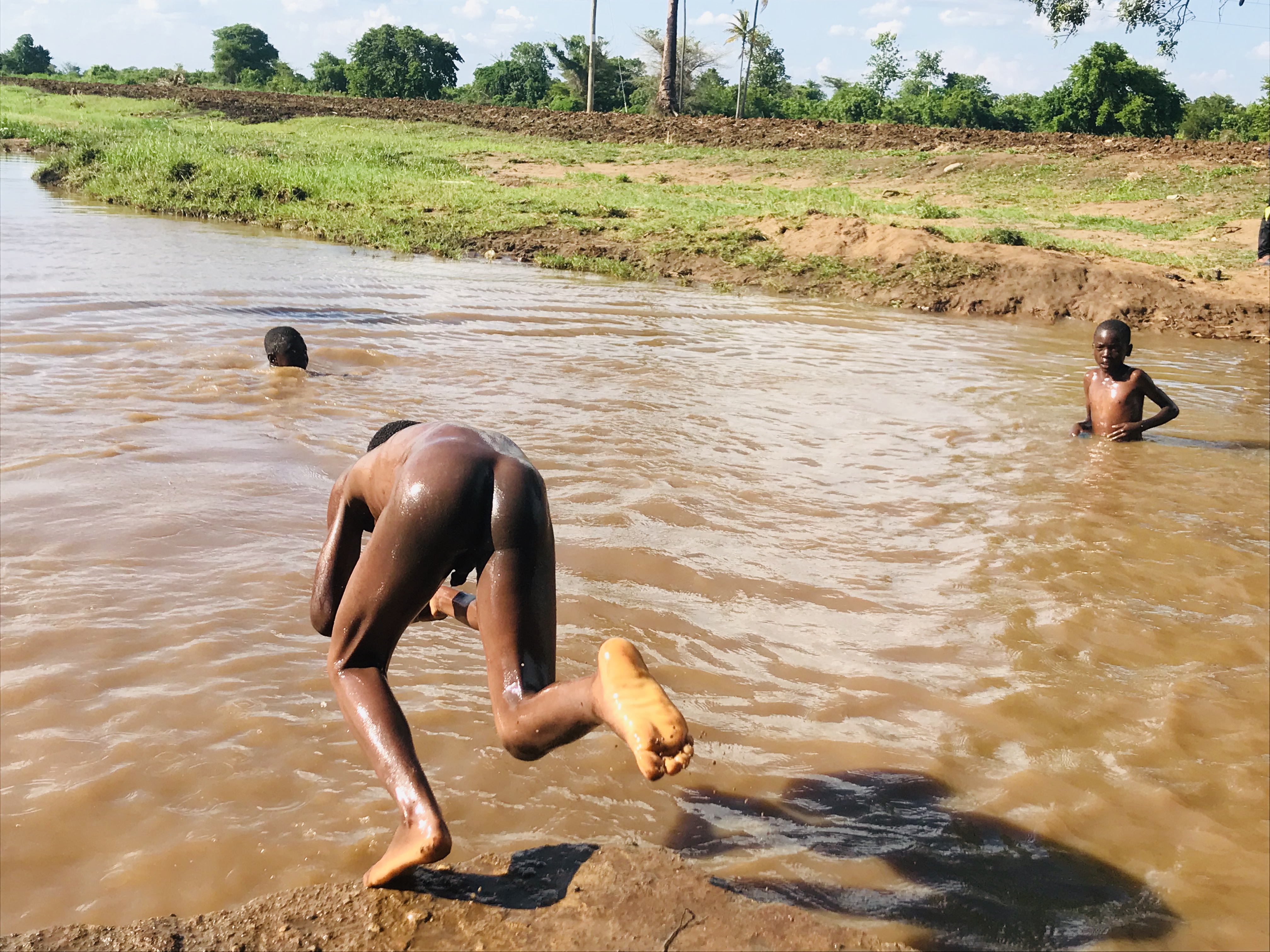
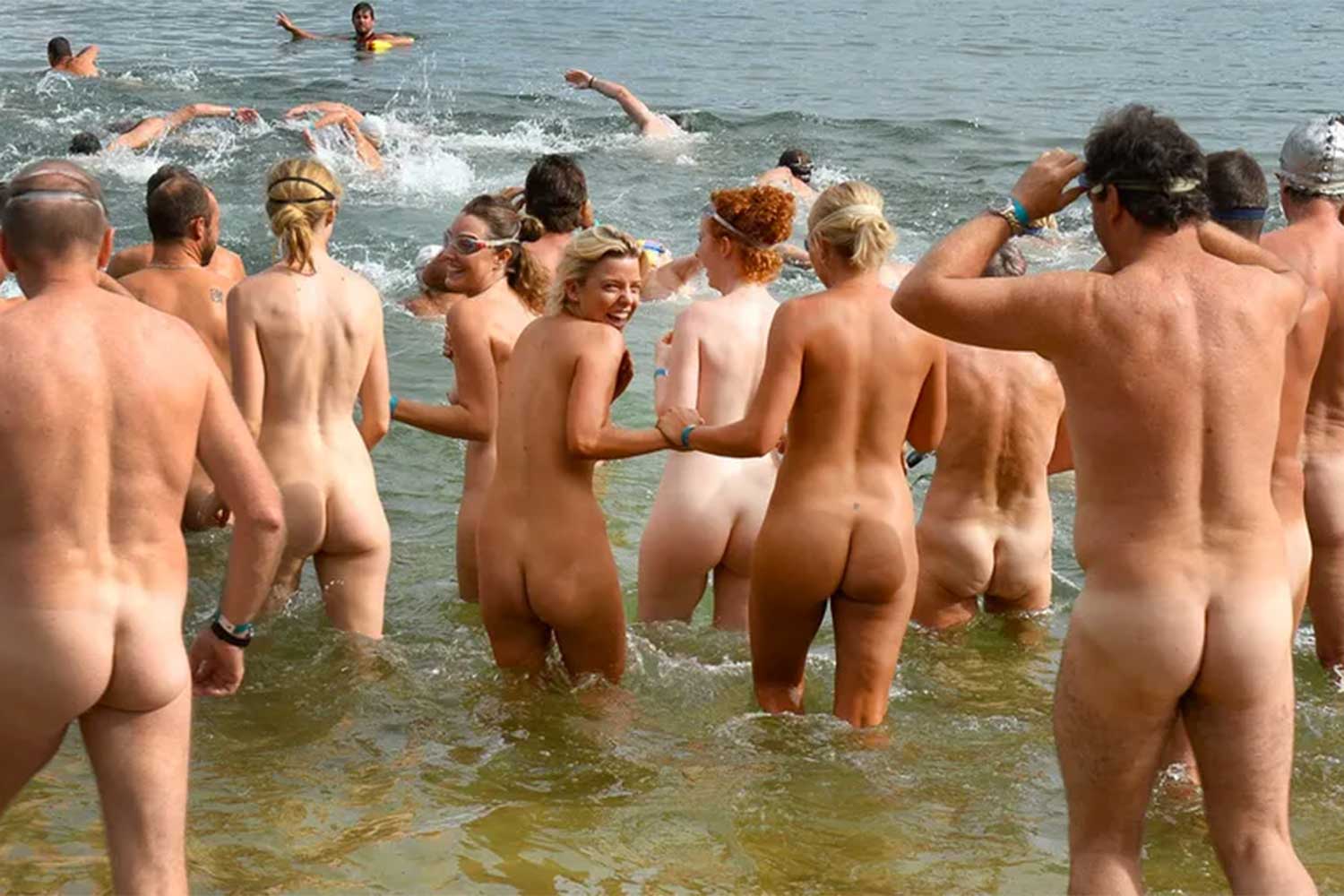

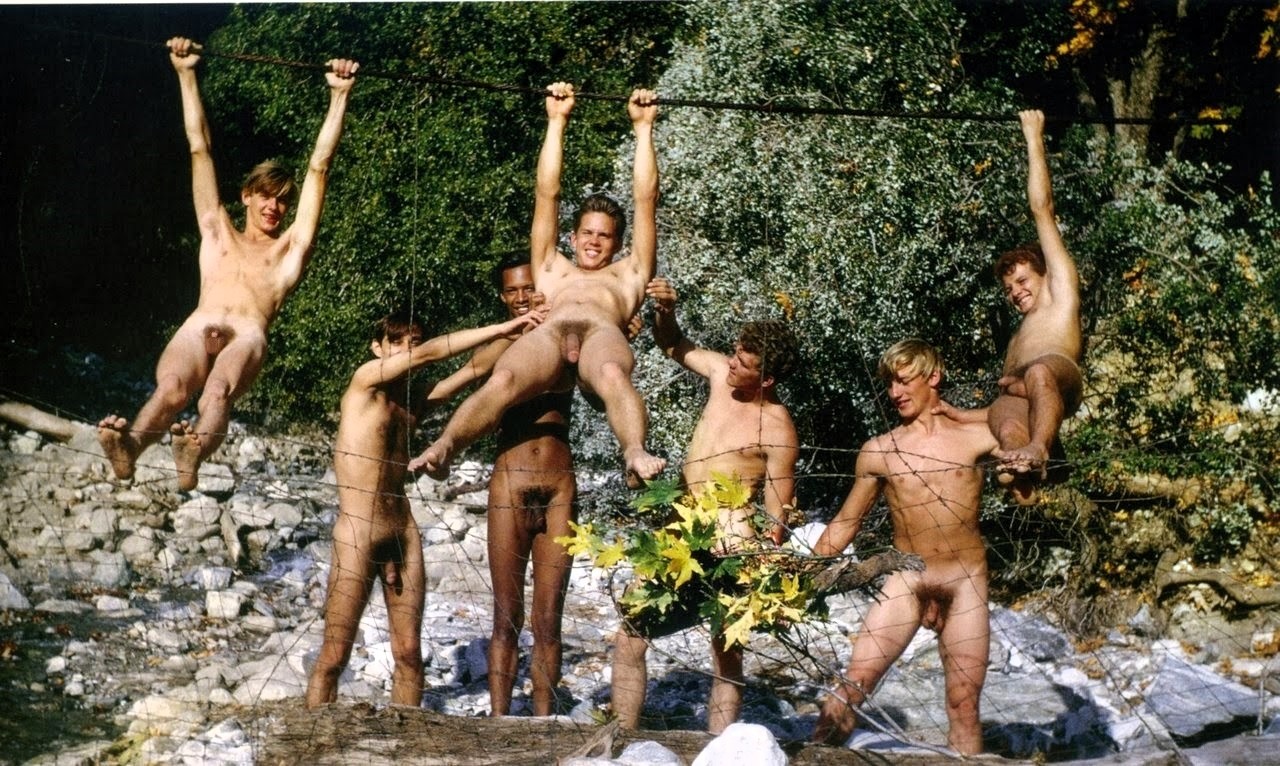

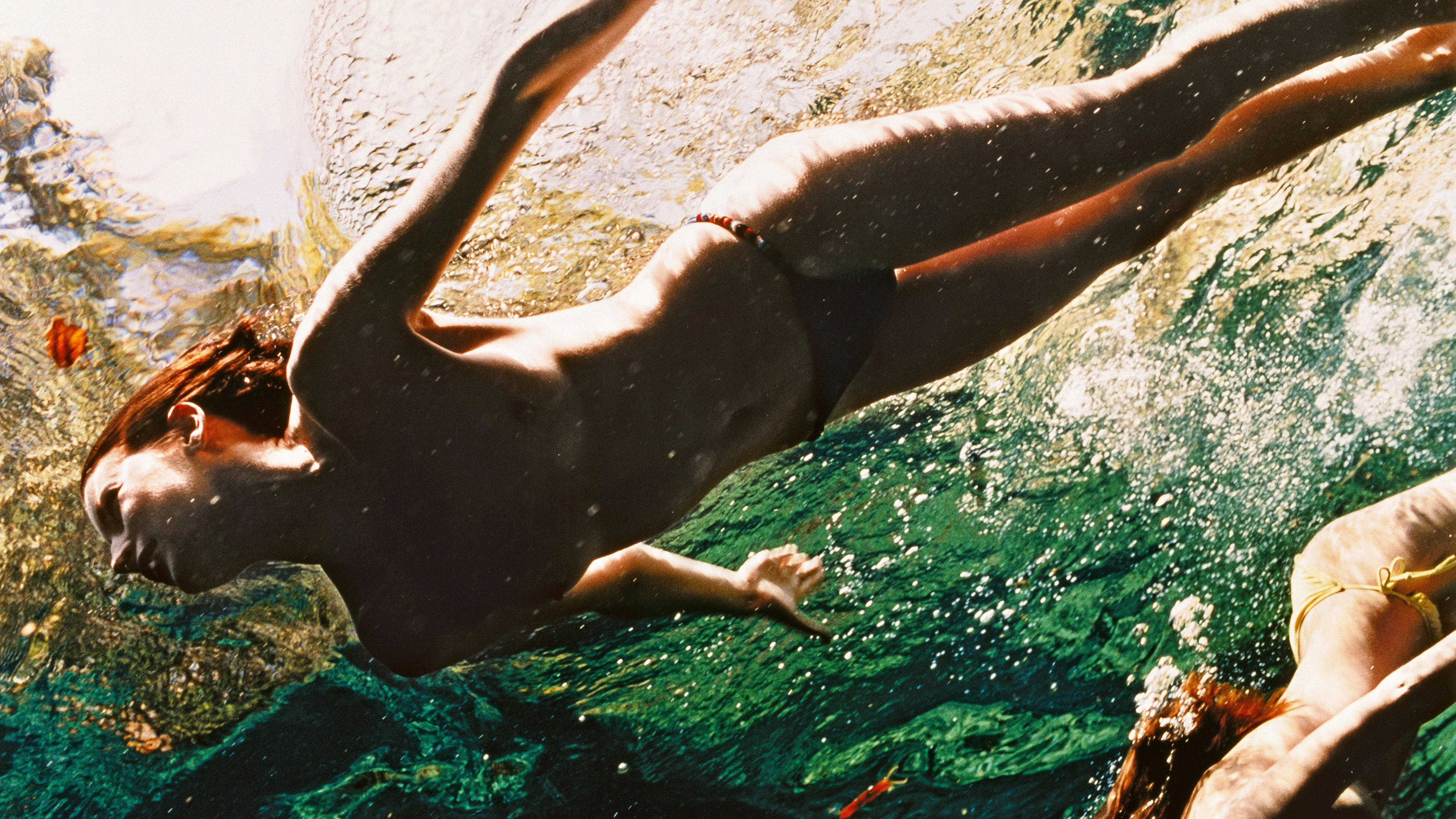




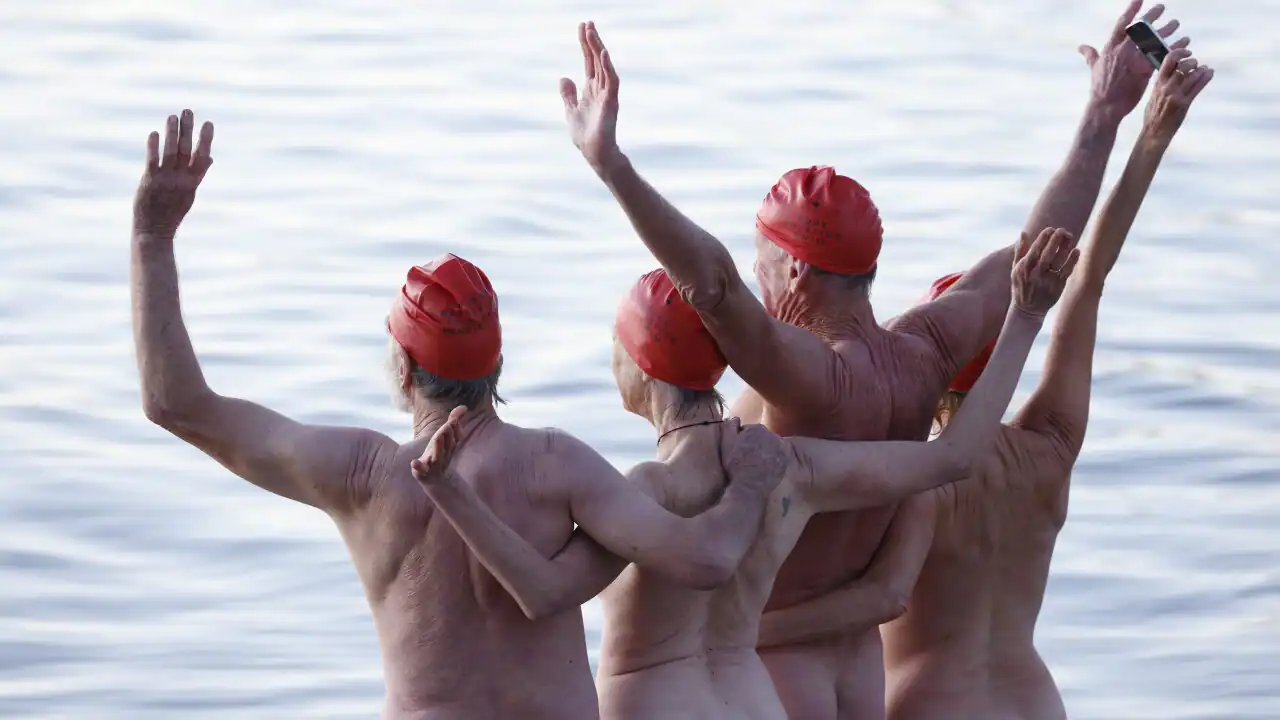
Swimming naked is something usually done in secluded places, either alone or with one or two trusted friends. It’s a private, personal experience between the body and the water; rarely is it a mass-participation event. This is what makes The Sydney Skinny unique. The swim raises money for The Cure Brain Cancer Foundation, established by internationally renowned neurosurgeon Charlie Teo, who also swims in the event.
Throughout the event, nudity was only allowed on the beach and in the water, with swimmers being handed purple sarongs immediately after the swim. It can be intimidating stepping naked out of the water knowing that there are other people around. The sarongs helped, as did the realization that nobody was really paying any attention to you anyway.
These motivations aren’t novel, or unexpected. We swim naked because it connects us more intensely to things: the water, the natural world, our bodies. But the simplicity of the motives doesn’t make the practice any less powerful. And as Rhia, 36, a holistic therapist in Norfolk who started naked swimming a couple of years ago says, there’s also an ecological factor too. It is “a way to reconnect to the earth”; after all, “we are water”. For her, in the context of , there’s something vital about the physical act of putting one’s naked body into the sea, and, in doing so, demanding others be conscious of what they are dumping there. “We are part of a movement,” she says. “The stuff that they put into our waters is actually quite scary. It’s almost like we are calling people to be more mindful.”
Dark Mofo solstice nude swim in 2024 breaks record with 3,000 naked swimmers on chilly Hobart morning
‘If there is no one around, I’ll always choose to swim naked,’ she said. ‘It really does make all the difference. Your skin is your largest organ, extremely sensitive to touch and temperature. To encompass yourself in the movement of water, with no barrier, you become hyper aware of this. The sensation takes over all other sensory input.’
Related:
 Festival naked wifecand na (photos)
 Father in law porn (photos)
 Maliwan naked pics (photos)
 Megan mankin money pussy leak (photos)
 Porn goes (photos)
 Anna naked sara naked julia naked (photos)
 Lauren burch onlyfans leaks photos (photos)
 Chlo chlo x onlyfans leak (photos)
 Trixiefopah sex photos (photos)
 Cinas worldx leaked onlyfans photos (photos)
 Bhawa singh nude leak (photos)
 Date blowjob night (photos)
 Fucks doctor dirty (photos)
 Beautiful creampied (photos)
 Cfnm story presents nude son (photos)
 Heronie vagina pussy urine (photos)